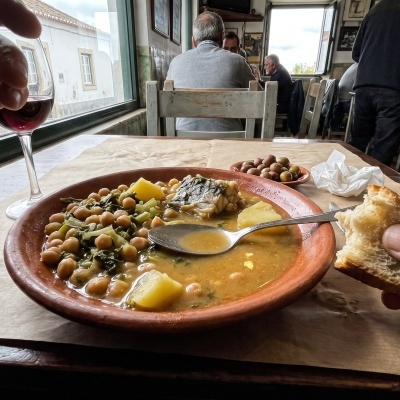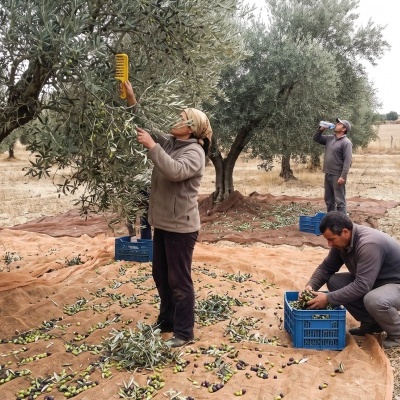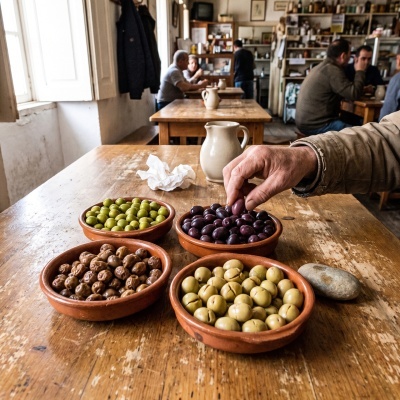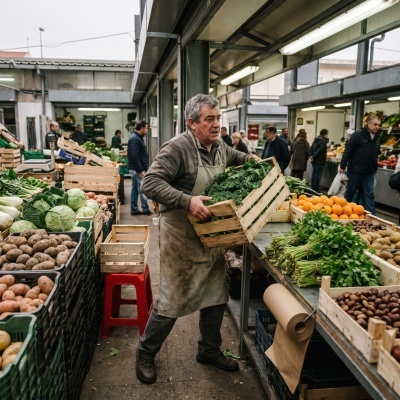
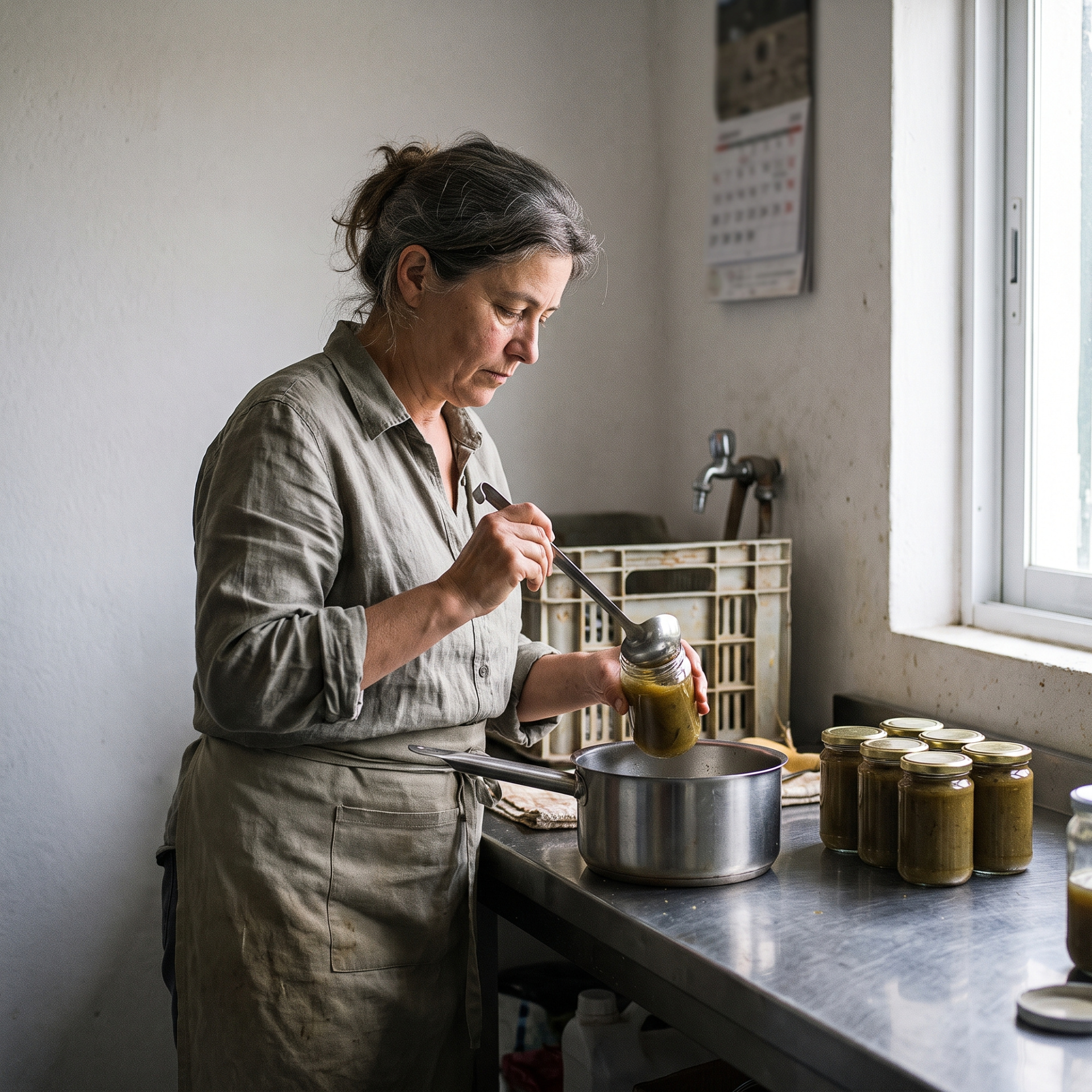
Small batch is not a label we print on things. It is a production decision with consequences — for the price, for the availability, and for the day this shop tells you something is sold out.
Sold out is arithmetic, not strategy
When this shop tells you something is sold out, there is no clever mechanism behind it. Somebody made a batch, the batch ran out, and the next one is not ready. When a batch is three hundred jars rather than thirty thousand, running out is not an event. It is the normal state of things a few times a year.
We could smooth that. Every producer we work with has been shown, at some point, how to smooth that. What follows is why they did not, and why we went looking for them anyway.
Scale is a flavour decision
The things that make food taste of a particular place are, almost without exception, the things that do not survive scaling.
A producer working with one grove, one greenhouse, one hillside is limited by that hillside. To grow, they buy raw material from elsewhere — which is legitimate, and which immediately makes the product an average of several places instead of a portrait of one. To supply a supermarket, they need a specification: the same colour, the same weight, the same intensity, every month, for years. Agricultural produce does not do that on its own, so it has to be corrected, blended, standardised or stabilised until it does.
None of that is fraud. It is engineering. But it means that a product which tastes identical every single year has been argued with, and a product that shifts a little from batch to batch has not.
The three costs nobody prints on the label
Time. Curing, drying, brining and ageing are not steps; they are waiting. Anything that shortens the waiting — heat, additives, agitation — changes what comes out the other end. A producer who waits is a producer financing stock that earns nothing for months.
Risk. A bad year is absorbed by one household, not by a purchasing department. Hail in the wrong week, a hot autumn, one failed batch: there is no other region to buy from and no reserve to blend in.
Refusal. The most expensive thing a small producer does is say no — to the volume contract, to the cheaper input, to the request for a version that keeps six months longer on a shelf. That refusal is invisible on the packaging and it is most of what you are paying for.
Why the same product is not the same twice
Our olives will be firmer some years and softer in others, because the fruit was. The garlic will come out of its weeks of heat a little sweeter or a little more savoury, because the bulbs it started as were not identical.
We say this in advance rather than after a complaint, because variation is the evidence, not the defect. Food with a sense of place — food that tells you where it is from before you read the label — is only possible if the place is allowed to have an opinion each year.
What we ask before we buy
We ask five things, and they are the same five for everything in this shop: is it what it says it is, is it tied to a real territory, does it carry a culture, is it good to eat, and does somebody local know things about it that we do not.
After that, four practical questions. Who made this batch. What is in it that did not grow near it. What happens in a bad year. And how much of it exists.
If the last answer is a big number, we usually stop there.
What this costs you
More than the supermarket version, sometimes noticeably more. Availability that comes and goes. A product that will not be exactly the same next time.
And a jar with a person behind it, who can tell you what the weather did that year.
THE PEOPLE BEHIND THE BATCHES
Slow food travel in Portugal: a field guide is built around producers who chose not to grow — where they are, what they make, and how to visit without getting in the way.